English
  Deutsch
  ไทย
ไทย  Indonesia
Sep 29 , 2026
NEWS

Yes, an electric pot to boil water is designed to heat water directly and can offer more cooking flexibility than a conventional kettle. Depending on the design, an electric pot may also support boiling, simmering, steaming, cooking noodles, preparing soup, and other everyday meals.
For households, dorm rooms, offices, and compact kitchens, the main advantage is versatility. Instead of using one appliance only for boiling water, a multifunctional electric pot can combine heating and cooking functions in a single appliance. Capacity, heat control, coating care, and safety features should all be considered when choosing one.
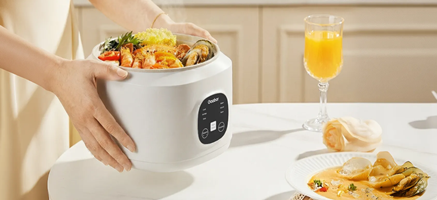
An electric pot can boil water by using an integrated electric heating element to transfer heat directly to the cooking vessel.
The process is straightforward: water is added to the pot, the appliance is connected to a suitable power source, and the heating element raises the water temperature until it boils. Depending on the model, users may also be able to select different heat levels.
An electric pot is useful when boiling water is only one part of the cooking process. The same appliance can heat water for noodles, prepare soup, or simmer ingredients without requiring a separate cooking vessel.
When evaluating an electric pot to boil water, buyers should therefore look beyond boiling speed. Temperature control, capacity, handle design, lid construction, and automatic protection can have a greater impact on everyday convenience.
An electric pot, electric kettle, and rice cooker all use electricity for heating, but they are designed around different cooking tasks.
An electric kettle is primarily intended to heat water quickly for tea, coffee, instant foods, or beverages.
An electric pot is more versatile because the cooking vessel can generally be used for both heating liquids and preparing food. A Gaabor electric pot, for example, fits the category of countertop cookware where boiling water is one function within a broader range of everyday uses.
A rice cooker is designed mainly around rice preparation and controlled cooking cycles. Some models offer additional functions, but their cooking system is generally optimized for rice and similar dishes.
| Appliance | Main purpose | Typical use | Cooking flexibility |
| Electric kettle | Heating water | Tea, coffee, instant drinks | Low |
| Electric pot | Heating and cooking | Boiling, noodles, soup, steaming | High |
| Rice cooker | Cooking rice and grains | Rice, porridge, selected meals | Medium |
Choosing between these appliances depends on whether the priority is fast water heating, multifunctional cooking, or specialized rice preparation.
A multifunctional electric pot is designed to handle more than boiling water, making it useful for simple meals and compact-kitchen cooking.
Common applications include:
Boiling: Water can be heated for noodles, pasta, vegetables, eggs, and other ingredients.
Simmering: Lower heat settings are useful for soup, broth, and slowly cooked ingredients.
Steaming: A suitable steaming rack or basket can allow vegetables, dumplings, and similar foods to be prepared above boiling water.
Simple one-pot meals: Noodles, hot pot ingredients, oatmeal, and other small meals can often be prepared directly in the cooking vessel.
The actual cooking functions depend on the appliance design. Buyers should check the manufacturer's stated capabilities rather than assuming every multifunctional electric pot supports the same cooking methods.
For users who already own a Gaabor electric kettle, an electric pot can serve a different purpose rather than simply replacing it. The kettle remains convenient for dedicated water heating, while the electric pot provides more cooking flexibility.
Capacity and heat control determine how practical an electric pot is for different cooking situations.
A smaller pot can be convenient for one person, particularly when preparing breakfast, noodles, soup, or a quick hot meal. A larger capacity may be more useful for families or when several servings need to be prepared at once.
Heat settings are equally important because different foods require different levels of heating. High heat can bring water to a boil efficiently, while lower settings are more appropriate for simmering or keeping food warm.
Rather than choosing the largest available capacity, buyers should consider how much food or water they normally prepare. A pot that is too large may take up unnecessary counter space, while a very small model may require multiple batches.
The same principle applies to power. Higher power can support faster heating, but the appropriate specification depends on the pot's capacity, intended use, and electrical environment.
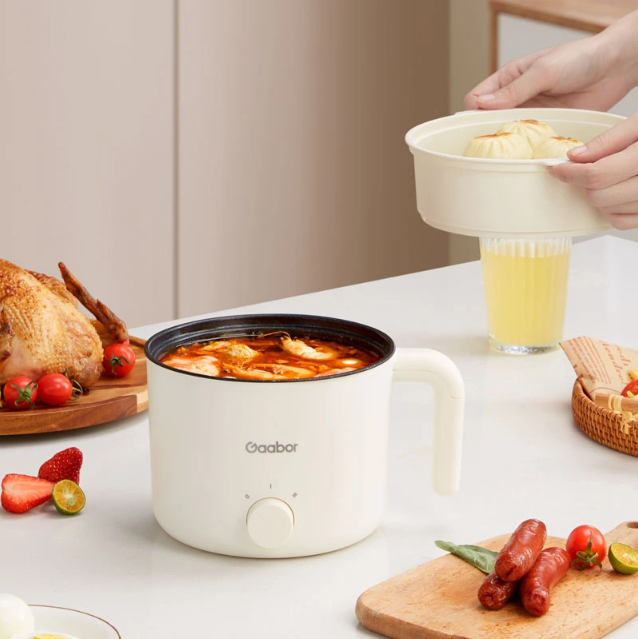
Safe operation and proper coating care are essential for maintaining an electric pot over time.
A non-stick cooking surface can make food preparation and cleaning easier, but it should be treated carefully. Avoid sharp metal utensils that could scratch the coating, and follow the manufacturer's cleaning instructions rather than using abrasive materials.
Important safety features may include:
Dry-burn protection: Helps reduce the risk of continued heating when insufficient liquid remains in the pot.
Overheat protection: Can help prevent excessive temperatures during abnormal operating conditions.
Stable handles and base: Reduce the risk of accidental movement while the pot is being used.
Heat-resistant components: Help make handling safer when the cooking vessel and lid become hot.
Users should also avoid operating an electric pot beyond its recommended capacity. Water and food need sufficient room during boiling because liquids can bubble or spill when heated.
Allow the appliance to cool before cleaning, keep electrical connections dry, and follow the manufacturer's instructions for the cooking surface and removable components.
An electric pot to boil water can be more versatile than an appliance designed only for water heating. Beyond boiling, it can support everyday cooking tasks such as noodles, soup, steaming, and simmering, depending on its design. Capacity, heat settings, non-stick care, and safety protection are important factors when choosing one. For households that want a compact appliance for both water heating and simple meals, an electric pot can complement a Gaabor electric kettle or Gaabor rice cooker rather than necessarily replacing them.
Yes. Boiling water is one of the basic functions of an electric pot. The heating element raises the water temperature until it reaches a boil, with some models offering multiple heat settings.
They serve different purposes. An electric kettle is primarily designed for heating water, while an electric pot can generally heat water and prepare different foods. The more suitable option depends on whether cooking versatility is important.
Some multifunctional electric pots can prepare rice or rice-based dishes, but this depends on the specific design and manufacturer's instructions. A dedicated Gaabor rice cooker is generally designed specifically around rice preparation.
Yes, provided the appliance is designed for cooking these foods. Boiling and simmering functions make electric pots suitable for many simple noodle, soup, and one-pot recipes.
Allow the pot to cool first, then clean the cooking surface according to the manufacturer's instructions. Soft sponges or suitable non-abrasive cleaning tools are generally preferable to sharp or abrasive materials.
Useful features can include dry-burn protection, overheat protection, stable construction, heat-resistant handles, and appropriate temperature control. The available features vary by model.

1. Upgraded high-capacity electric kettle for convenience, safety and efficiency
2. 1500w power for fast boiling
3. Seamless one-piece inner, easy to clean up
4. Large capacity, boils 6 cups of water at a time
5. Bottom coil storage
6. Automatic power failure protection with triple design
MORE

MORE
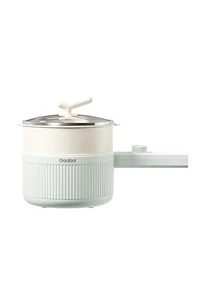
1. 2L Serves 2-3 people
2. Dual-Cook Mode
3. Ergonomic Handle
4. Dual Heat Settings
MORE